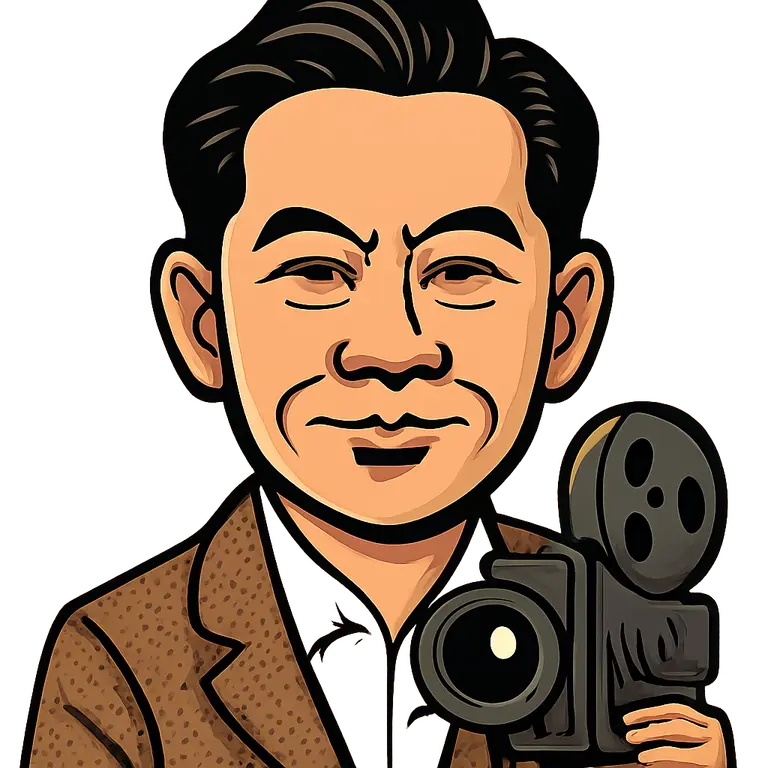
About James Wong Howe
During the 1930s and 1940s, he was one of the most sought after cinematographers in Hollywood due to his innovative filming techniques. Howe was known as a master of the use of shadow and one of the first to use deep-focus cinematography. He was a professional boxer during his teenage years, and later began his career in the film industry as an assistant to Cecil B. Howe pioneered the use of wide-angle lenses and low-key lighting, as well as the use of the crab dolly. Despite the success of his professional life, Howe faced significant racial discrimination in his private life. He became an American citizen only after the repeal of the Chinese Exclusion Act in 1943, and due to anti-miscegenation laws, his marriage to Sanora Babb, a white woman, was not legally recognized in the state of California until 1948. Howe earned 10 nominations for the Academy Award for Best Cinematography, winning twice, once for The Rose Tattoo (1955), and once more for Hud (1963). He also received Oscar nominations for Algiers (1938), Abe Lincoln in Illinois (1940), Kings Row (1942), The North Star (1943), Air Force (1943), The Old Man and the Sea (1958), Seconds (1966), and Funny Lady (1975).
Text from the Wikipedia article James Wong Howe, licensed under CC BY-SA 4.0. Sentences about life status are left out so the game is not spoiled.
Frequently asked questions
What is James Wong Howe known for?
James Wong Howe is known for James Wong Howe – American cinematographer.
When was James Wong Howe born?
James Wong Howe was born on 28 August 1899.
What nationality is James Wong Howe?
James Wong Howe's nationality is American.
Which Dead or Alive categories include James Wong Howe?
James Wong Howe appears in Screen Icons.
Is James Wong Howe still alive?
Make your guess with the Dead and Alive buttons at the top of this page; the answer and the source are shown right after you answer.